Conservation Projects
Explore our initiatives to protect and restore Arbutus habitats across Vancouver Island.
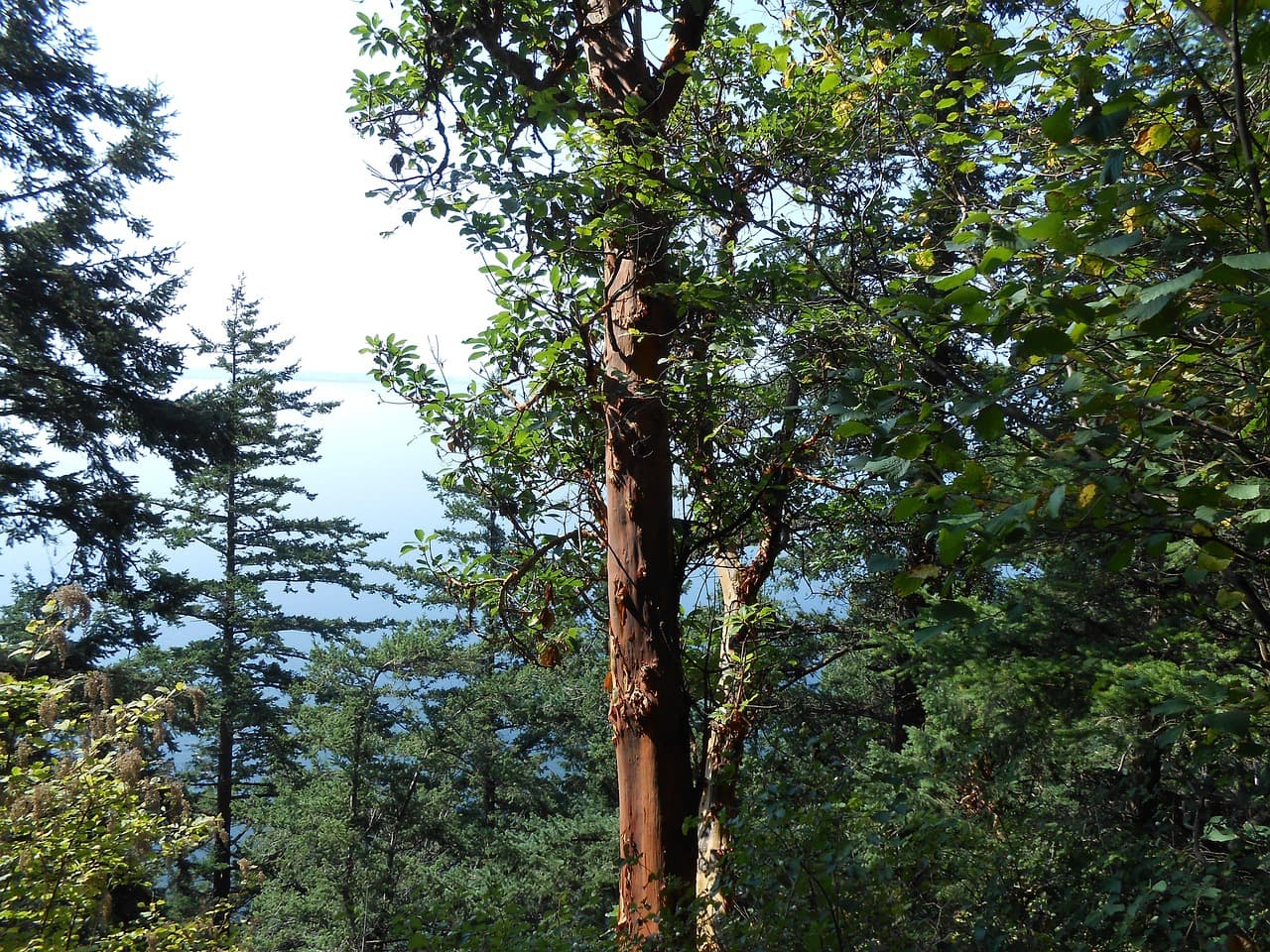
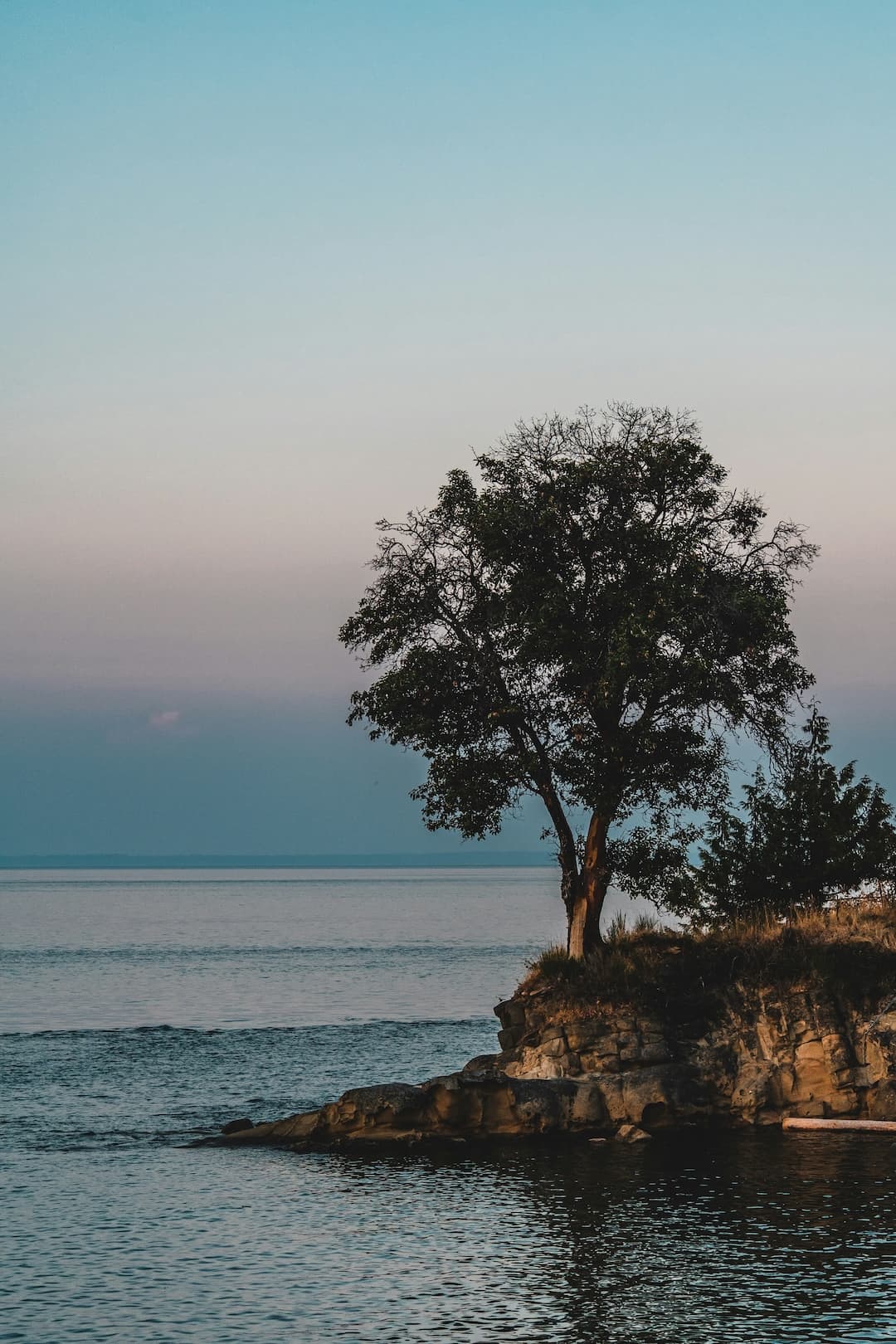
The Arbutus tree (Arbutus menziesii), also known as the Pacific Madrone, is the only native broadleaf evergreen tree in Canada. Found along the southwestern coast of British Columbia, particularly on Vancouver Island and the Gulf Islands, these magnificent trees are a distinctive feature of our coastal landscape.
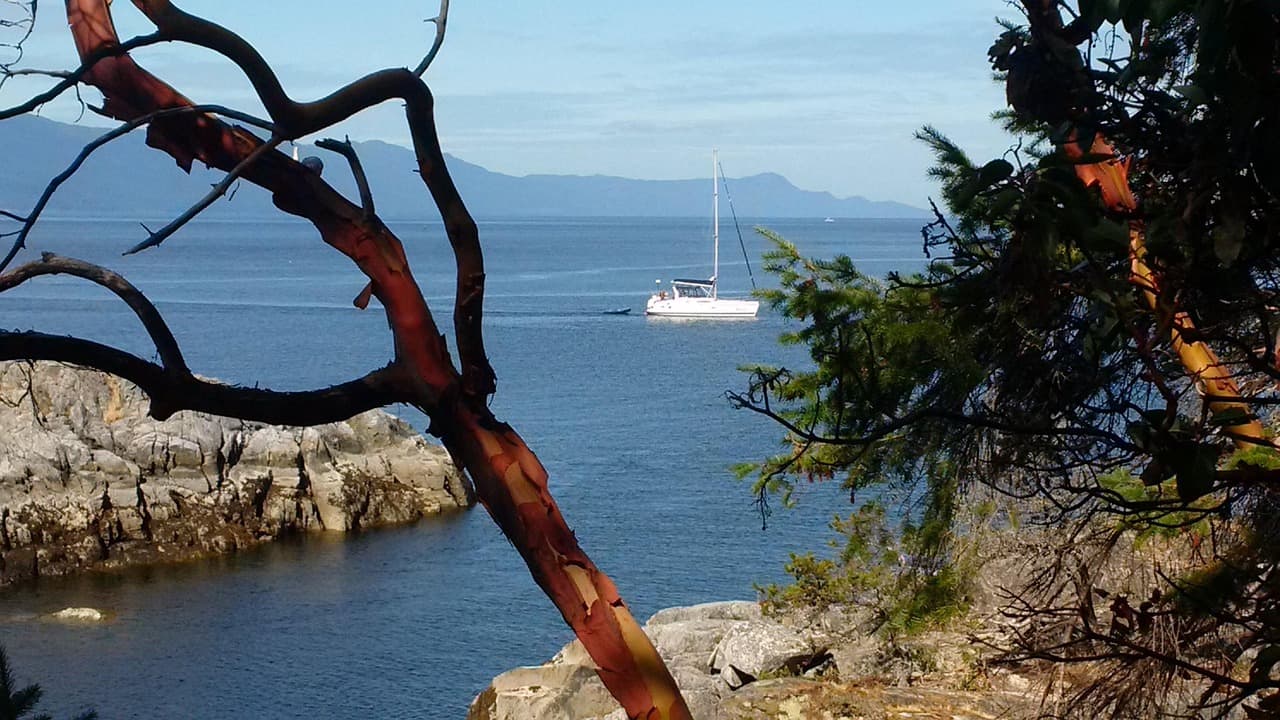
With their smooth, cinnamon-red bark that peels away to reveal a green underbark, twisted branches, and glossy evergreen leaves, Arbutus trees are instantly recognizable and beloved symbols of our region’s unique ecosystem.
Our mission is to promote awareness, appreciation, and conservation of Arbutus trees on Vancouver Island through education, community engagement, and sustainable practices. We strive to:
The Arbutus tree is known for several unique characteristics that make it stand out in our coastal forests:
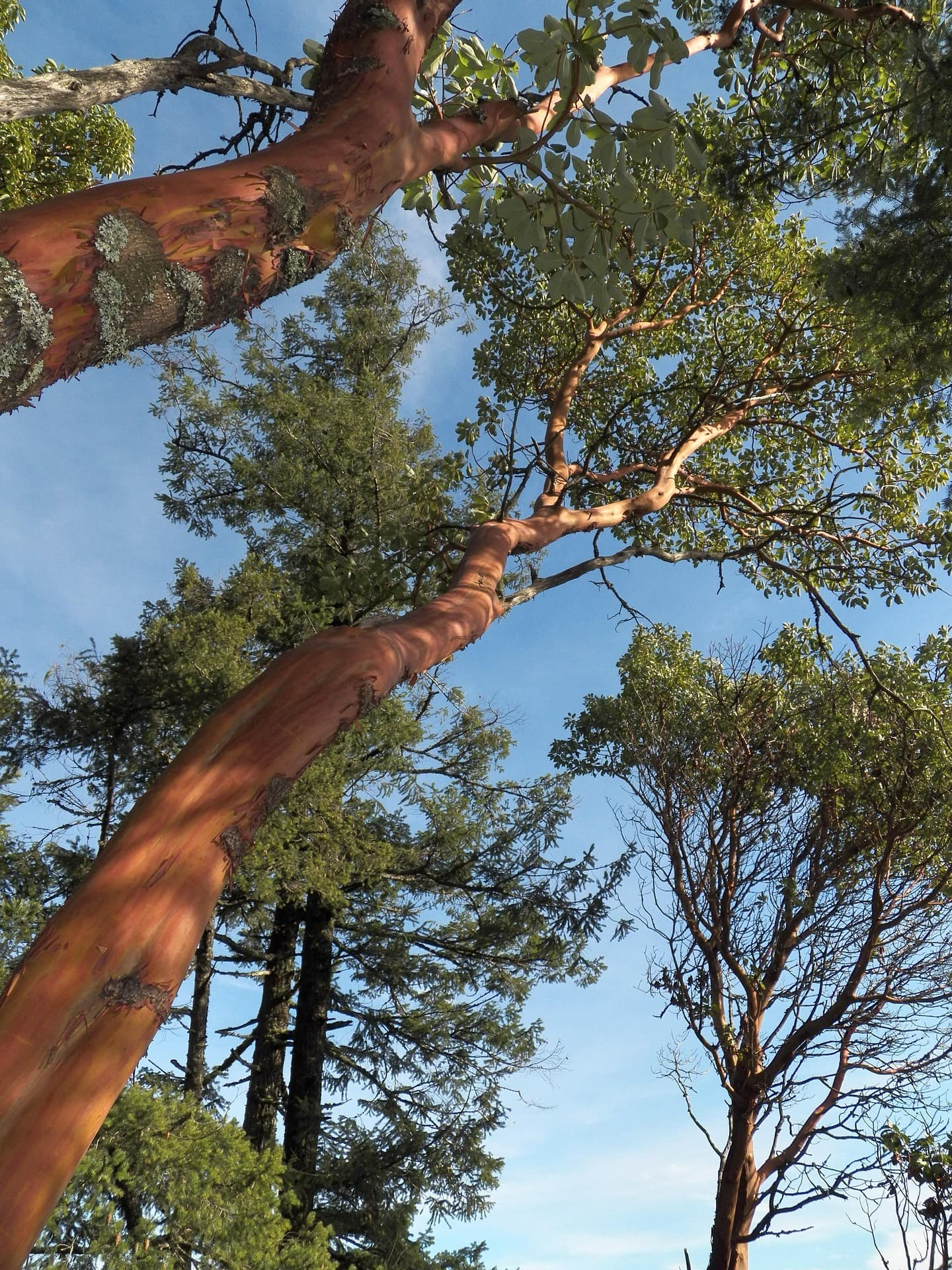
The Arbutus tree holds deep cultural significance for Indigenous peoples of the Pacific Northwest, particularly the Coast Salish Nations. Known as “qʷəl̕šəyʔ” in the Hul’q’umi’num language, these trees were considered sacred and used for various medicinal and practical purposes.
The bark was used to treat stomach ailments, colds, and skin conditions, while the berries were occasionally consumed or used for dyes. The hard, dense wood was valued for tools, fishing hooks, and small carvings.
Today, the Arbutus continues to be a powerful symbol of resilience, adaptation, and the unique character of our coastal ecosystems.
Dr. Chen specializes in Pacific Northwest native tree species and leads our Arbutus monitoring program.
Michael coordinates habitat protection initiatives and community education programs across Vancouver Island.
Sarah develops educational materials and organizes volunteer activities for Arbutus conservation projects.
Help us protect Vancouver Island's iconic Arbutus trees for future generations. Together, we can make a difference.
Explore our initiatives to protect and restore Arbutus habitats across Vancouver Island.
Join our community of volunteers and supporters dedicated to Arbutus conservation.
Your donations help fund our conservation efforts and educational programs.
This is a fictitious page created to demonstrate the Arbutus Jekyll Theme.
The Arbutus Conservation Initiative and its content are not real. This site serves as a demonstration of the theme’s features, layout, and components. Any resemblance to actual organizations is coincidental.